
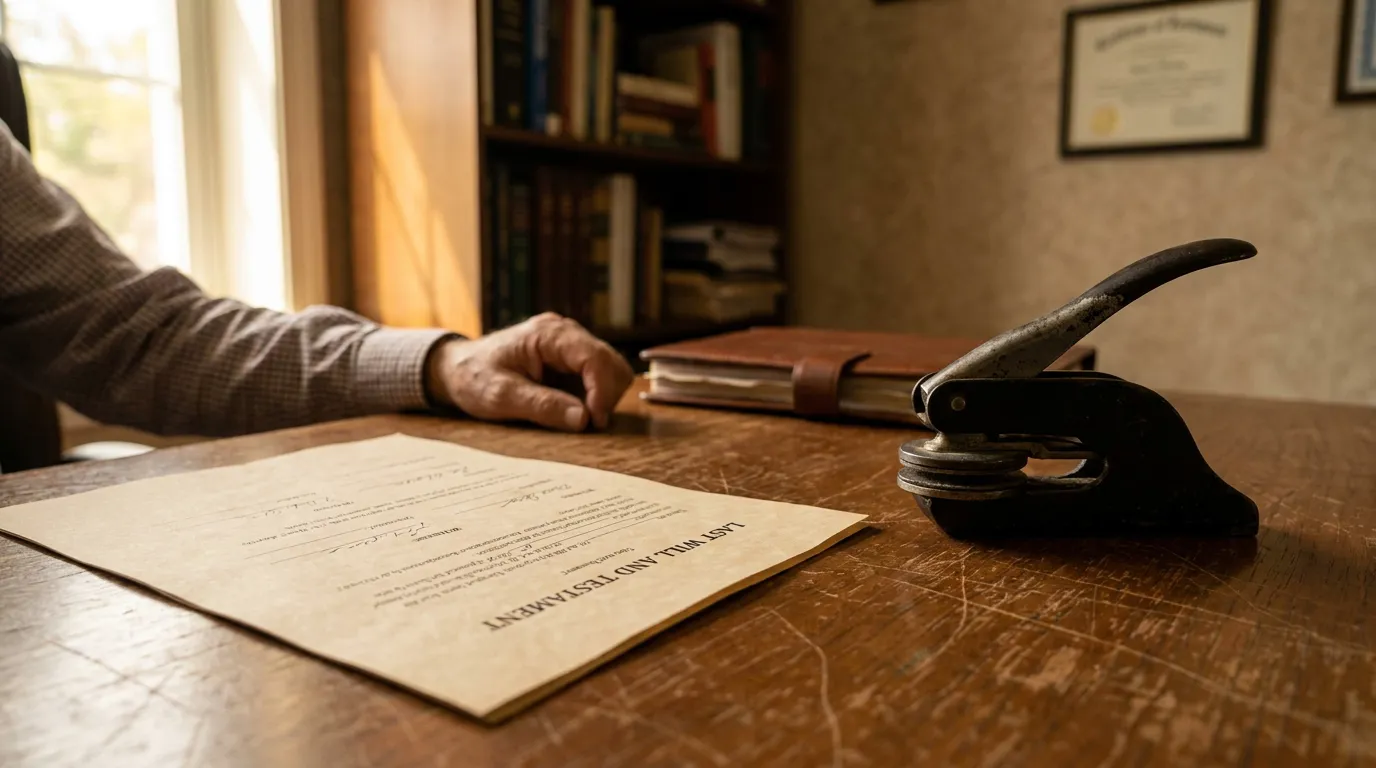
Understanding How New York Treats a Properly Executed Will
Key Takeaways: A valid New York will must meet strict execution formalities under EPTL § 3-2.1: it must be written, signed at the end by the testator, declared as the testator’s will, and attested by at least two witnesses who sign within thirty days. While the precise order is flexible under EPTL § 3-2.1(b), every formality must be completed, ideally through attorney-supervised signing. The testator must have testamentary capacity, and disinterested witnesses avoid complications under the beneficiary-witness rule. Handwritten and oral wills are valid only in narrow circumstances, while New York’s newly enacted but not-yet-effective electronic wills framework adds developing considerations. Because wills generally don’t avoid probate, coordinating with trusts and tax planning provides stronger protection. For Western New York families, getting these details right separates documents that protect loved ones from those inviting costly probate disputes.
Under New York law, requirements include a writing signed at the end by the testator, a declaration that the document is your will, and at least two witnesses who observe the signing or acknowledgment. New York’s substantive will law is codified in Article 3 of the Estates, Powers & Trusts Law. For Buffalo and Western New York families, getting these details right separates documents that protect loved ones from those inviting probate complications.
If you are ready to put a durable plan in place, the team at Roach, Lennon & Brown, PLLC is here to help. Call us at 716-235-3025 or reach out through our contact page to discuss your goals. We help Western New York families build estate plans that hold up when they matter most.

The Core Execution Requirements Under New York Law
New York imposes a strict checklist for executing a will, and each element carries legal weight. The governing statute is EPTL § 3-2.1, which sets execution and attestation requirements. These rules exist because a will speaks only after the person who made it has died, so the law builds in safeguards that cannot be confirmed later.
Here are the central requirements for a typical attested will:
-
Writing requirement: Except for nuncupative and holographic wills authorized by 3-2.2, every will must be in writing.
-
Signature at the end: It shall be signed at the end by the testator or, in the testator’s name, by another person in his presence and by his direction.
-
Signing or acknowledgment before witnesses: The signature shall be affixed in the presence of each attesting witness, or acknowledged by the testator to each of them.
-
Declaration: The testator shall declare to each attesting witness that the instrument to which his signature has been affixed is his will.
-
Two witnesses within thirty days: There shall be at least two attesting witnesses, who shall, within one thirty-day period, both attest the testator’s signature and sign their names and affix their residence addresses at the end of the will.
You can review the statutory language for will signing rules New York directly through the New York Senate’s published statutes.
💡 Pro Tip: Keep your two witnesses physically present together during the ceremony when possible. A coordinated signing reduces questions later about whether the thirty-day window and presence requirements were satisfied.
Order of the Ceremony and Why Flexibility Exists
The precise sequence of steps is not fatal as long as every requirement is completed. The procedure need not be followed in the exact order set forth in paragraph (a) so long as all requisite formalities are observed during the ceremony. This provides practical flexibility during signing but is not an invitation to treat formalities casually.
The safest approach is an attorney-supervised execution that confirms the testator signed at the end, declared the document to each witness, and both witnesses signed within the same thirty-day period. Courts may later scrutinize whether these steps occurred, so contemporaneous care pays off.
💡 Pro Tip: Consider an attestation clause and a self-proving affidavit signed before a notary. While not substitutes for statutory formalities, these tools can streamline the later probate process for your executor.
Who Can Make a Will and the Role of Capacity
New York limits will-making to those meeting the law’s testamentary capacity and age requirements. Section 3-1.1 addresses who may make wills, requiring the testator be at least 18 years old and of sound mind and memory. Testamentary capacity means the person understands the nature of making a will, knows the general extent of their property, and recognizes people who would naturally be considered beneficiaries.
Capacity is fact-sensitive and depends on specific circumstances at signing. For families concerned about a loved one’s health or cognitive changes, planning earlier is often prudent.
Witnesses Who Are Also Beneficiaries
Choosing a beneficiary to serve as a witness creates avoidable complications. Under Section 3-3.2, a disposition to an attesting witness is void unless there are at least two other attesting witnesses who receive no benefit under the will. In practice, a witness-beneficiary risks losing some or all of a gift, subject to the statute’s specific carve-outs.
The simplest solution is using disinterested witnesses who take nothing under the document. For blended families and households with significant assets, this removes a category of dispute that could otherwise cloud an estate.
Working With a Wills Attorney Buffalo NY Families Rely On
A knowledgeable wills attorney Buffalo NY residents consult can tailor a plan to your family structure and assets. New York generally does not recognize handwritten or oral wills except in narrow situations. Section 3-2.2 addresses nuncupative and holographic wills, limited to specific categories such as certain armed forces members and mariners at sea, and only for a limited time.
A do-it-yourself document may seem efficient, but formalities under EPTL will execution rules are where many homemade wills fail. Working with a Buffalo wills lawyer confirms your will coordinates with the rest of your plan, including trusts, beneficiary designations, and pour-over provisions. Our Western New York wills and trusts-focused practice is built around these coordination issues.
💡 Pro Tip: Revisit your will after major life events such as marriage, divorce, the birth of a child, or a significant change in assets. A document valid years ago may no longer reflect your wishes or family’s needs.
Electronic Wills, Remote Witnessing, and Recent Changes
New York’s approach to electronic wills has evolved, and formalities still demand careful planning. New York enacted an electronic wills framework as new Part 6 of Article 3, covering Sections 3-6.1 through 3-6.9, with specific requirements for execution, attestation, and filing, though the law is not yet effective.
The New York City Bar’s report explained that because a will’s authenticity is assessed only after the testator’s death, adopting an electronic format requires careful planning to protect against fraud or alteration. The report noted there was no general legal authority for remote witnessing of will signing, which the EPTL requires be done in person, prior to recent legislation.
The 2025 electronic wills bills, A.7856-A and S.7416-A, were signed by the Governor on December 12, 2025, taking effect June 10, 2027. Because this area is new and not yet operative, you can review the New York City Bar’s electronic wills report for background, and precise procedural mechanics should be confirmed with an attorney.
How a Will Fits Into a Larger Estate Plan
A will is foundational, but it is not the only tool, and it does not avoid probate by itself. A will directs how probate assets pass, names an executor, and can nominate guardians for minor children. For many Buffalo families, the bigger picture involves trusts, which address probate avoidance, privacy, and asset management over time.
New York does not impose a separate inheritance tax, but it has a state estate tax with an exemption threshold that changes over time, so the current figure should be confirmed during attorney review. Coordinating your will with trusts and tax planning is where a long-term legal partner adds value, rather than a one-time document. You can find more guidance across our Buffalo estate planning attorney insights resources.
| Tool | Primary Function | Avoids Probate? |
|---|---|---|
| Will | Directs probate assets, names executor and guardians | Generally no |
| Revocable trust | Manages and transfers assets during life and after | Often yes, if funded |
| Pour-over will | Catches assets into a trust at death | Generally no |
💡 Pro Tip: A trust only works for assets actually retitled into it. An unfunded trust can leave gaps that your pour-over will must clean up through probate.
Frequently Asked Questions
1. How many witnesses does a New York will require?
New York generally requires at least two attesting witnesses. Both must attest the testator’s signature and sign their names within a single thirty-day period under EPTL § 3-2.1(a)(4). Using disinterested witnesses avoids issues under EPTL § 3-3.2.
2. Does the will have to be signed in a specific order?
No, the precise order is flexible as long as all formalities are completed. EPTL § 3-2.1(b) confirms steps need not follow the exact statutory sequence, provided every requirement is observed during the execution ceremony.
3. Are handwritten or oral wills valid in New York?
Only in narrow, limited circumstances. Under EPTL § 3-2.2, holographic and nuncupative wills are generally recognized only for specific groups, such as certain armed forces members and mariners at sea, and typically for a limited period.
4. Can I sign a will electronically in New York?
Not yet, New York enacted an electronic wills law under EPTL Part 6, Sections 3-6.1 through 3-6.9, but it takes effect June 10, 2027. The framework includes specific requirements for execution, attestation, and filing. Because the law is recent and not yet operative, procedural details should be confirmed with a Buffalo wills lawyer.
5. Does a will avoid probate?
Generally, no. A will directs how probate assets are distributed but still passes through probate. Tools such as funded trusts are often used to address probate avoidance, depending on your specific facts.
Putting a Reliable Plan in Place
A valid New York will comes down to disciplined execution, sound capacity, and thoughtful coordination with the rest of your plan. The requirements under the EPTL are precise, the witness rules carry real consequences, and the new electronic wills framework adds considerations that will keep developing as the law approaches its effective date. Every situation is different, and outcomes depend on specific facts, so working with a wills attorney Buffalo NY families trust is a practical way to protect your wishes. None of this article is individualized legal advice, and you should consult an attorney about your circumstances.
When you are ready to move forward, Roach, Lennon & Brown, PLLC is prepared to guide you through every step. Schedule a consultation with our team by calling 716-235-3025 or by contacting our Buffalo office online. Reach out to our Buffalo estate planning and business law attorneys to build a plan that gives your family lasting peace of mind.