

Why Witness Affidavits Matter When Your New York Will Reaches Probate
Key Takeaways: A self-proving affidavit is a sworn statement your witnesses sign before a notary or other officer who can give oaths, usually right after you sign your will. It confirms the will was signed properly. Under SCPA § 1406, the Surrogate’s Court can accept this affidavit instead of calling the witnesses to testify, and it generally creates a presumption that the will was properly signed. Without one, the court normally requires testimony from at least two witnesses under SCPA § 1404. If the witnesses can’t be found or have died, the court may accept proof of handwriting and other facts under SCPA § 1405, as it did in Matter of Lobuono. The affidavit does not fix a will that was signed the wrong way, does not stop challenges, and does not avoid probate.
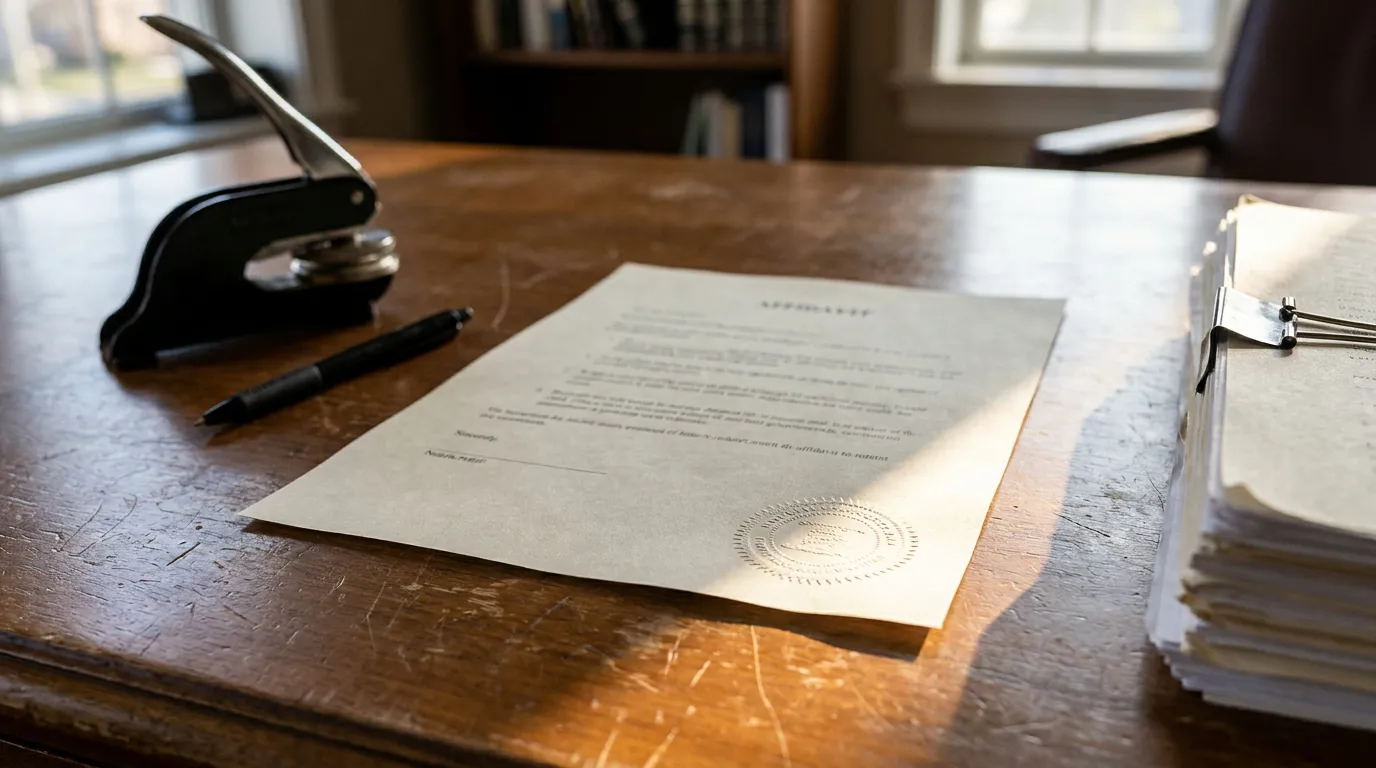
A self-proving affidavit is a sworn statement your witnesses sign before a notary or other officer who can give oaths, usually when you sign your will. It confirms that the will was signed properly. Under SCPA § 1406, the Surrogate’s Court can generally accept that affidavit in place of in-person witness testimony when it admits your will to probate. For Buffalo and Western New York families, this one page can mean a smoother probate process instead of a search, years later, for witnesses who may have moved away or died. A self proving affidavit New York courts accept may save your loved ones time and stress during a hard time.
If you are drafting a new will or reviewing an older one, check that it was signed with a valid self-proving affidavit. Roach, Lennon & Brown, PLLC helps families across Buffalo, Niagara Falls, and Western New York prepare wills with care. Call 716-235-3025 or schedule a consultation with our team.
The Default Rule: Witnesses Testify in Surrogate’s Court
New York law starts from the idea that the court will generally hear from the witnesses themselves. Under SCPA § 1404(1), the person offering the will for probate "must examine at least two of the attesting witnesses, if so many are within the state and competent and able to testify." Article 14 of the Surrogate’s Court Procedure Act covers probate cases statewide, including in Erie County Surrogate’s Court.
A self-proving affidavit is meant to ease this burden. Picture an executor trying to find two people who watched a will being signed 20 or 30 years ago. Some may have moved away or died. SCPA §§ 1404 and 1405 offer other options, such as testimony by commission or written questions for witnesses who are out of state or can’t appear, but these can add delay and cost to the estate.
Why the Signing Rules Come First
A self-proving affidavit only confirms what happened at signing, so the signing itself has to be done correctly. Under EPTL § 3-2.1, the testator (the person making the will) must sign at the end of the will. At least two witnesses must, within one 30-day period, see the testator sign or hear the testator confirm the signature. The testator must also tell each witness that the document is their will, and the witnesses must sign at the testator’s request. Under EPTL § 3-2.1(a)(4), each witness should also write their home address under their signature. The statute expressly states that a witness’s failure to affix an address does not affect the validity of the will. You can read more in our guide to legal requirements for a valid will.
Who you choose as witnesses also matters. Under EPTL § 3-3.2, if a witness also inherits under the will, the will stays valid. But unless there are two other witnesses who don’t inherit, the witness-beneficiary may lose any gift larger than what they would have received without the will. The safest practice is generally to use witnesses who have no stake in your estate.
How a Self Proving Affidavit New York Courts Accept Works
An SCPA 1406 affidavit lets the witnesses give their testimony ahead of time, under oath, before a notary or other officer who can give oaths. Witnesses usually sign it right after the will is signed, which is why it is called "self-proving." According to an article on due execution issues, the affidavit states facts that, if no one disputes them, can show the will is genuine, was properly signed, and that the testator was of sound mind and not under restraint.
What the Witness Affidavit Usually Confirms
A well-drafted witness affidavit generally covers each step of the signing. It usually states that:
- The testator signed (or confirmed a signature) in front of the witnesses
- The testator said the document was their will
- The witnesses signed at the testator’s request
- The testator appeared to be of sound mind, memory, and understanding
- The testator did not appear to be under restraint or undue influence
- The testator could read and understand English, or the will was explained in a language they understood
Because these statements touch on mental capacity, the affidavit can support both proper signing and the testator’s state of mind. Still, it is evidence, not a guarantee. It cannot fix a will that was not signed properly to begin with.
The Legal Presumption It Creates
A valid SCPA 1406 affidavit generally supports a presumption that the will was properly signed. This often matters most when a witness dies before the testator. In Matter of Yenei, 132 AD2d 870 (3d Dept 1987), the court addressed how these affidavits support proper signing. Without an affidavit, the estate may have to rely on live testimony or other proof, which can make probate harder.
💡 Pro Tip: Keep the original will with the self-proving affidavit attached, and store it somewhere safe that your executor knows about. Separating the pages or removing staples can raise questions about whether pages were changed.
When the Affidavit Is Missing or Disputed
Probate can still go forward without a self-proving affidavit, but it usually takes longer. If no witness can be found or all have died, SCPA § 1405 may allow the court to admit the will based on proof of the testator’s handwriting, proof of at least one witness’s handwriting, and other facts that show the will is genuine.
A Recent Example: Matter of Lobuono
A 2025 Bronx County case shows how this plays out. In Matter of Lobuono (Surr. Ct. Bronx County, Mar. 2025), the court considered whether it could probate a 1983 will when there was no self-proving affidavit and both witnesses had died. As described in a discussion of the Lobuono decision, the court relied on the SCPA § 1405 rules for unavailable witnesses. The lesson is simple: a missing affidavit can force the estate to meet extra proof requirements that a few minutes at signing might have avoided.
An affidavit does not end every question. The court may generally treat these affidavits as proof of proper signing unless someone objects. If someone files objections, or if the court has concerns, it may require live testimony from the witnesses.
| Situation | How the Will Is Usually Proven |
|---|---|
| Valid SCPA 1406 affidavit, no objections | Court generally accepts affidavit in place of live testimony |
| Affidavit present, objections filed | Court may require witness testimony |
| No affidavit, witnesses available | Witnesses questioned under SCPA § 1404 |
| No affidavit, witnesses unavailable or deceased | Handwriting and other proof under SCPA § 1405 |
Limits of a Self-Proving Will: Probate Still Happens
A self-proving affidavit can simplify probate, but it does not avoid it. Your will still has to go through the Surrogate’s Court. If avoiding probate matters to you, a funded revocable trust, often paired with a pour-over will, may be worth discussing. Any assets not moved into the trust may still go through probate.
Tax planning should also be part of the conversation. New York has no inheritance tax, but it does have a state estate tax. The exemption amount rises with inflation, and New York’s "cliff" rule can make the whole estate taxable if it goes more than slightly over the exemption. Families should look at the will, any trusts, and tax exposure together.
💡 Pro Tip: After a major life event such as marriage, divorce, a new child, or selling a business, have your plan reviewed. If you sign a new will or codicil, make sure it has its own self-proving affidavit.
Frequently Asked Questions
1. Is a self-proving affidavit required for a will to be valid in New York?
No. A will can be valid without one if it meets the signing rules of EPTL § 3-2.1. But without an affidavit, the court may need witness testimony or other proof under SCPA §§ 1404 and 1405.
2. Can witnesses sign the affidavit after the will is signed?
Yes. SCPA § 1406 allows witnesses to sign the affidavit when the will is signed or any time afterward, as long as they are still available.
3. Does an SCPA 1406 affidavit prevent a will challenge?
No. It generally supports a presumption of proper signing, but it does not stop challenges based on capacity, undue influence, or fraud.
4. Should my witnesses be family members?
It is generally best to use witnesses who do not inherit under the will. Under EPTL § 3-3.2, a beneficiary who also serves as a witness may lose some or all of their gift unless there are two other witnesses who don’t inherit.
5. Do I need a new affidavit if I add a codicil?
Usually, yes. A codicil must be signed with the same formalities as a will, and its own self-proving affidavit can make probate easier.
Protecting Your Plan from the Day You Sign
A self-proving affidavit is a simple step that may save your executor a lot of work. By confirming proper signing under SCPA § 1406 when you sign, you help the Surrogate’s Court admit your will quickly. Because every family is different, talking with a self proving affidavit New York lawyer about your goals is the best next step.
Our firm aims to be a long-term legal partner for Buffalo families and business owners, updating your plan as your life and assets change. Contact Roach, Lennon & Brown, PLLC at 716-235-3025 or reach out to our Buffalo estate planning and business law attorneys.
Disclaimer: This content is for informational purposes only and is not legal advice. Every case is unique, and results may vary. Consult an attorney about your specific circumstances.